

Welder Jobs in the United States: A Comprehensive Guide
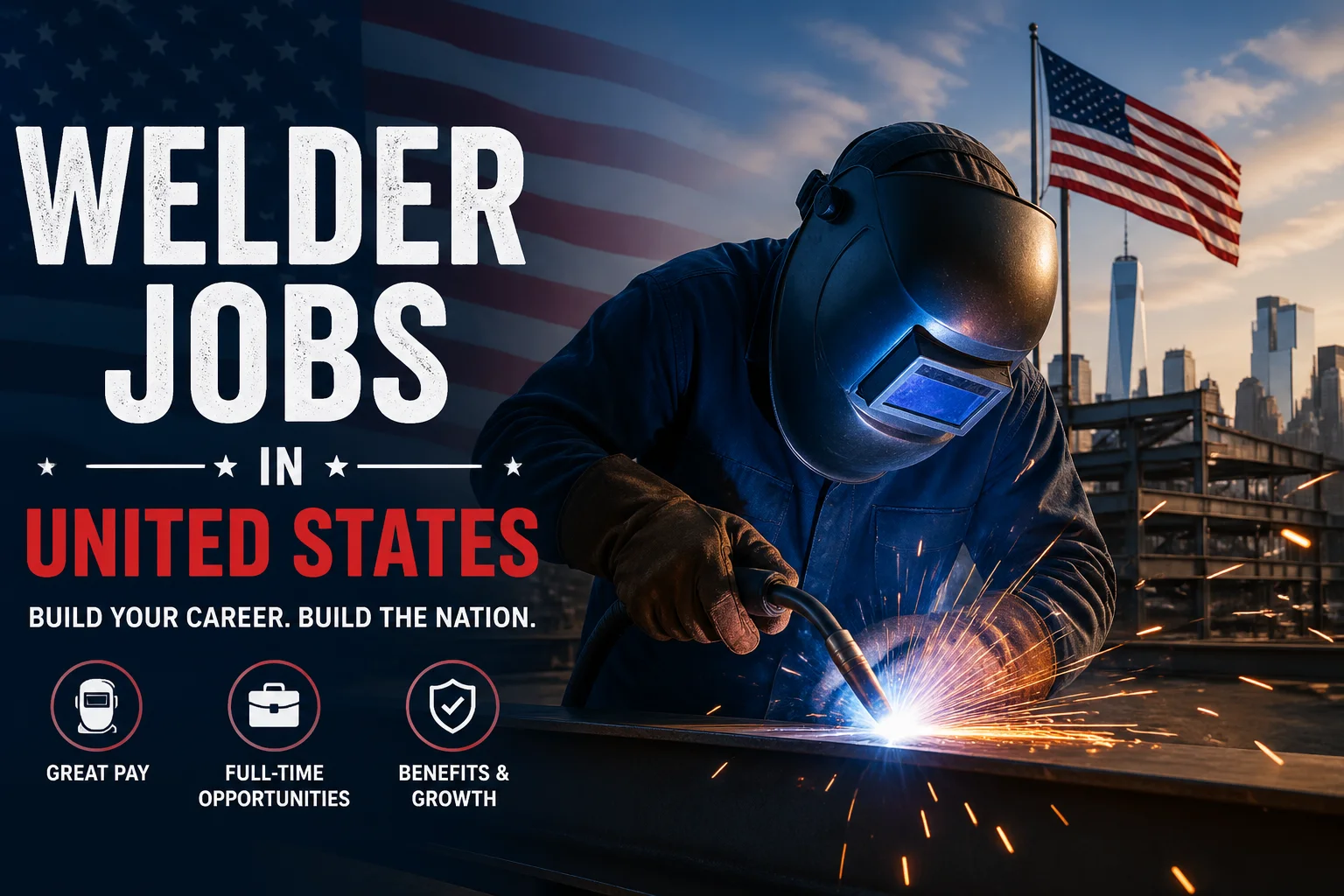
The welding industry in the United States offers a wealth of opportunities for skilled professionals looking to build a rewarding career. Welder jobs are in high demand across various sectors, including construction, manufacturing, and infrastructure development. This guide explores the landscape of welder jobs in the US, covering job types, requirements, salary expectations, and tips for landing a position.
Why Welder Jobs Are in High Demand in the US
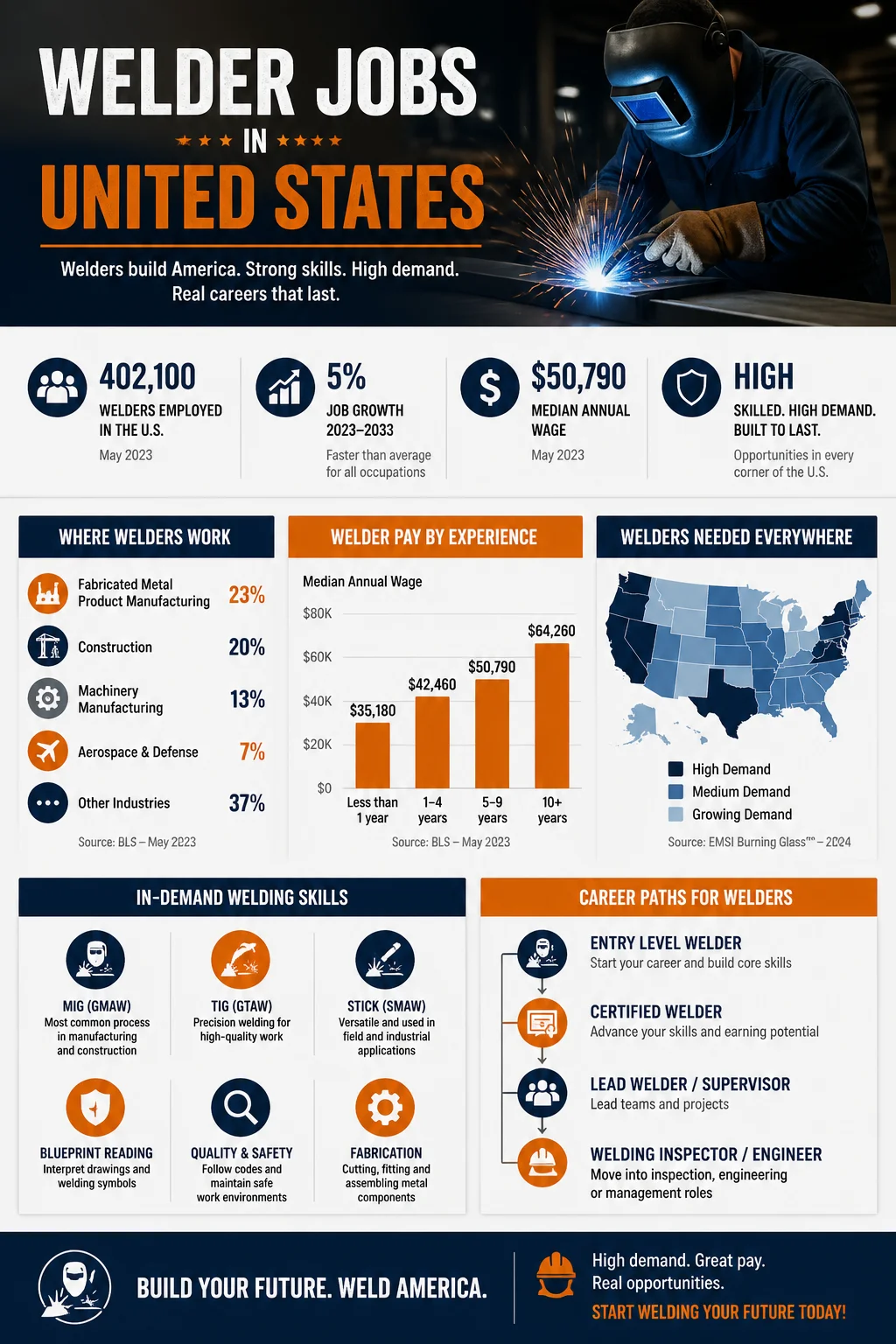
Welding is a critical skill in industries that form the backbone of the American economy. From building skyscrapers to manufacturing heavy machinery, welders play an essential role in ensuring structural integrity and safety. The demand for welders is driven by ongoing infrastructure projects, industrial growth, and the need to replace retiring workers. According to the Bureau of Labor Statistics (BLS), employment for welders, cutters, solderers, and brazers is projected to grow steadily over the next decade.
Additionally, the push for renewable energy projects, such as wind turbines and solar panel frameworks, has created new opportunities for welders. As industries evolve, the need for specialized welding skills continues to rise, making this a promising career path.
Types of Welder Jobs in the United States
Welder jobs in the US vary widely based on industry, skill level, and specialization. Below are some common types of welding roles:
- Structural Welders: These welders work on construction projects, assembling steel frameworks for buildings, bridges, and other structures.
- Pipe Welders: Specializing in welding pipes, these professionals are often employed in the oil and gas industry or for plumbing systems.
- Manufacturing Welders: Found in factories, they work on assembling products like automobiles, appliances, and machinery.
- Underwater Welders: A high-risk, high-reward role, underwater welders repair ships, pipelines, and offshore oil rigs.
- Aerospace Welders: These welders work on aircraft and spacecraft, requiring precision and advanced skills.
Requirements and Skills for Welder Jobs
Educational and Certification Requirements
Most welder jobs in the US require a high school diploma or equivalent. Many welders gain their skills through vocational schools, community colleges, or on-the-job training programs. Certification from organizations like the American Welding Society (AWS) can significantly boost employability and demonstrate expertise in specific welding techniques.
Essential Skills for Welders
Successful welders possess a combination of technical and soft skills, including:
- Manual Dexterity: Precision and steady hands are crucial for welding tasks.
- Attention to Detail: Ensuring welds meet safety and quality standards is vital.
- Physical Stamina: Welding often involves long hours in challenging environments.
- Problem-Solving: Welders must troubleshoot issues with materials or equipment.
- Safety Awareness: Knowledge of safety protocols prevents accidents and injuries.
Salary and Benefits of Welder Jobs in the US
The salary for welders in the United States varies based on experience, location, and specialization. According to the BLS, the median annual wage for welders was approximately $47,000 as of recent data, with top earners making over $63,000 per year. Specialized roles like underwater welding can command even higher salaries due to the risks involved.
In addition to competitive pay, many welder jobs offer benefits such as health insurance, retirement plans, and paid time off. Unionized welders often enjoy additional perks, including job security and better working conditions.
Top Locations for Welder Jobs in the US
Welder jobs are available across the country, but certain states stand out due to high industrial activity. Some of the top locations include:
- Texas: A hub for oil and gas, with numerous pipe welding opportunities.
- California: Offers roles in construction and aerospace industries.
- Louisiana: Known for shipbuilding and offshore welding jobs.
- Michigan: A center for automotive manufacturing welding.
- Pennsylvania: Strong demand in steel and infrastructure projects.
How to Find Welder Jobs in the United States
Landing a welder job requires a strategic approach. Start by updating your resume to highlight relevant skills, certifications, and experience. Networking with industry professionals through job fairs or online platforms like LinkedIn can open doors. Additionally, job boards such as Indeed, Monster, and specialized welding career sites list numerous opportunities.
Consider apprenticeships or entry-level positions to gain hands-on experience if you’re new to the field. Joining a union can also provide access to exclusive job listings and training programs.
Challenges and Future Outlook for Welders
While welder jobs offer stability and growth, the profession comes with challenges. Welders often work in physically demanding conditions, including extreme heat, confined spaces, or heights. Safety risks, such as burns or exposure to fumes, are also a concern, emphasizing the importance of proper training and protective gear.
Looking ahead, the future for welders in the US remains bright. Automation may impact some routine welding tasks, but the need for skilled welders in complex and specialized roles will persist. As infrastructure investments and green energy projects expand, welders will continue to be indispensable.
Conclusion
Welder jobs in the United States present a viable and fulfilling career option for those with the right skills and determination. With diverse opportunities across industries, competitive salaries, and a positive job outlook, welding is a trade worth considering. Whether you’re just starting or looking to advance, the welding field offers a path to long-term success.